Introduction: When deploying cross-border or providing services for the Korean market, priority should be given to security when choosing a server to rent in South Korea. From physical computer rooms to network protection, from compliance to operation and maintenance strategies, this article focuses on practical security points to help companies build a robust protection system on Korean nodes.
When choosing a server to rent in South Korea, the primary evaluation factors include data center level, physical access control, bandwidth redundancy and latency performance. Security is not only a protective function, but also involves service availability and fault recovery capabilities, which has a direct impact on SEO and user experience.
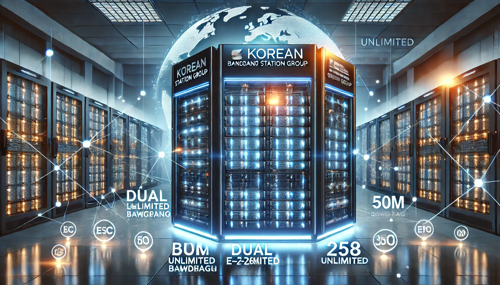
Physical security includes multiple access control, video surveillance and computer room temperature control; at the network level, operator redundancy, backbone direct connection and optical cable backup need to be confirmed. High-quality Korean computer rooms should provide layered protection and have clear incident response procedures and security systems.
Common DDoS attacks in South Korea require planning of traffic cleaning and rate limiting strategies in advance. It is recommended to choose a solution that has local cleaning capabilities or can cooperate with international cleaning nodes, and configure black and white lists and rate thresholds to reduce the risk of accidental damage.
Enhanced access control includes enabling multi-factor authentication, role-based access management (RBAC) and the principle of least privilege. Management passwords, SSH keys, and API keys are centrally managed and rotated regularly, and audit logs can be used to improve traceability.
Strong encryption protocols (such as TLS 1.2+ and disk/database encryption) should be used for both transmission and storage. Design an off-site or same-region multi-copy backup solution to ensure that the backup is independent of the production environment and regularly practice the recovery process to prevent data from being unavailable or tampered with.
Deploy a centralized logging and monitoring platform covering network traffic, system logs and application indicators. Combining intrusion detection (IDS/IPS) and behavioral analysis can detect anomalies in a timely manner, formulate alarm strategies and quickly handle them in conjunction with the operation and maintenance process.
Evaluate local Korean regulations and cross-border transmission restrictions based on business type, and give priority to computer rooms that meet regulatory requirements and provide compliance certificates. The storage location and access restrictions should be clear for sensitive data to reduce legal and compliance risks.
Confirm the SLA and security responsibility boundaries in the lease contract, and clarify the responsibilities of suppliers and customers in patching, attack response, and backup and recovery. Develop a plan for regular penetration testing and vulnerability scanning, and continuously patch and optimize configurations.
Summary: When renting a server in South Korea, consider physical security, network protection, DDoS cleaning, access control, encrypted backup and compliance as overall design points. It is recommended to conduct a risk assessment first and implement protection step by step according to priority, combined with monitoring and drills to maintain long-term availability and compliance.
- Latest articles
- Comparison Report On The Compatibility And Performance Of The Latest Version Of Tencent Hong Kong Cloud Server V2ray
- Analysis Of Compliance And Data Sovereignty Issues In Japanese Cloud Server Maintenance
- The Player Community Suggests How To Choose A Japanese Server In Legend 4 To Avoid Packet Loss During Peak Periods.
- Alibaba Cloud Korean Lightweight Servers Are So Cheap. Feasibility Assessment In Cross-border Business
- Hong Kong Tokyo Vps Evaluation Report Bandwidth Stability And Packet Loss Rate Comparison Analysis
- Why Are More And More Enterprise-level Websites Choosing German Independent Servers To Ensure The Security Of Sensitive Data?
- How To Choose A Thai Cloud Server? Performance Test Indicators And Stress Test Points
- Detailed Steps For Setting Up Taiwan Native IP And Network Environment Preparation Strategy
- Analysis Of Korean Rental Server Selection And Protection Configuration From A Security Perspective
- Teach You Step By Step How To Configure Vietnam Vps Native IP To Achieve Stable Node Access
- Popular tags
-
Practical Case Study: Sharing Of Pricing Negotiation Techniques For Korean Original IPs And Experience In Selecting Long-Term Partners
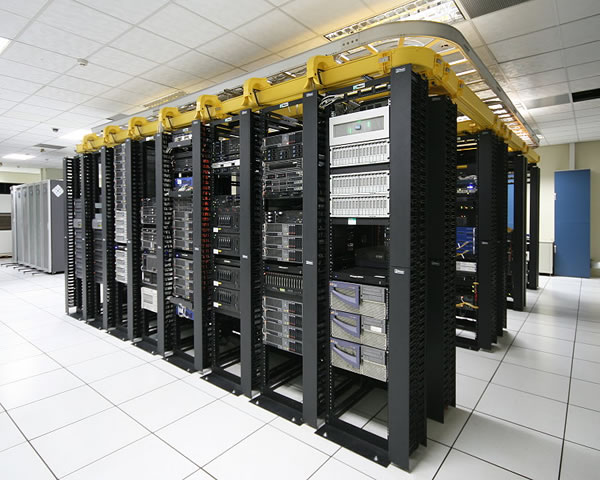
Based on practical cases, it shares South Korea’s expertise in pricing negotiations for original IPs and strategies for selecting long-term partners, including practical advice on market assessment, negotiation tactics, key contract terms, compliance, and quality assurance to support procurement and operational decision-making. -

How To Purchase Korean Native Ip And Achieve Exclusive Services
this article will introduce in detail how to purchase korean native ip and achieve exclusive services to help you optimize your network experience. -
Detailed Explanation Of The Hardware And Bandwidth Requirements For Building A Korean Pubg Server
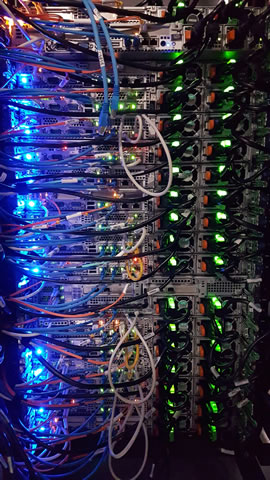
for technicians who want to deploy playerunknown's battlegrounds (pubg) servers in south korea, it provides a detailed explanation of key points such as server hardware (cpu, memory, storage) and network bandwidth, latency, packet loss, protection and computer room selection to facilitate performance planning and scalability design.